New consumer resource reinforces the importance of in-person examination and ongoing supervision by a licensed dental professional
From the newly launched FDA Clear Dental Aligners website:
“The FDA has not authorized clear aligners that are sold directly to consumers without a prescription and supervision by a dentist or orthodontist. Using clear aligners without proper professional supervision may increase the risk of complications.”
The U.S. Food and Drug Administration (FDA) has published a new consumer webpage on clear dental aligners that reinforces several patient health and safety principles long advanced by the American Association of Orthodontists (AAO).
The new FDA resource explains the benefits, risks and appropriate use of clear aligners, which are regulated as prescription medical devices. Among the topics highlighted are:
- The importance of ongoing supervision by a licensed practitioner, such as a dentist or orthodontist;
- The importance of an in-person examination before treatment;
- The steps generally involved in clear aligner treatment; and
- The ways patients can report adverse events associated with clear aligners.
The FDA also updated its consumer webpage addressing traditional braces and clear aligner treatment options.
In notifying AAO President Dr. Mike Durbin of the new resources, FDA leadership expressed appreciation for the AAO’s recent outreach regarding clear aligner marketing and its ongoing patient advocacy to improve dental health for the American public.
“This announcement reflects years of sustained advocacy by the AAO and its members to elevate patient health and safety concerns associated with clear aligner treatment provided without appropriate clinical oversight,” said AAO President Dr. Mike Durbin. “From sharing clinical experiences and contributing more than 1,700 AAO member signatures to our FDA letter, to engaging policymakers and advancing patient protections in the states, our members’ grassroots advocacy has been essential to this progress. We appreciate the FDA’s recognition of the importance of an in-person examination and ongoing supervision by a licensed practitioner. The AAO will continue building on this momentum through our federal and state advocacy efforts to advance patient health and safety.”
Building on Years of AAO Advocacy
The FDA announcement represents another meaningful development in nearly a decade of AAO advocacy focused on risks associated with mail-order orthodontic treatment models, responsible teledentistry use, and patient health and safety.
Beginning as early as 2017, the AAO and its members raised concerns with state dental boards about orthodontic treatment models that did not include an initial in-person examination, appropriate diagnostic records, or ongoing doctor-patient interaction.
At the federal level, working with Cozen O’Connor Public Strategies, the AAO helped secure a bipartisan letter from 21 members of Congress in 2021 requesting a Government Accountability Office (GAO) review of federal oversight of direct-to-consumer advertising for prescription medical products. The subsequent GAO report examined the respective oversight responsibilities of the FDA and Federal Trade Commission and helped identify additional opportunities for federal engagement.
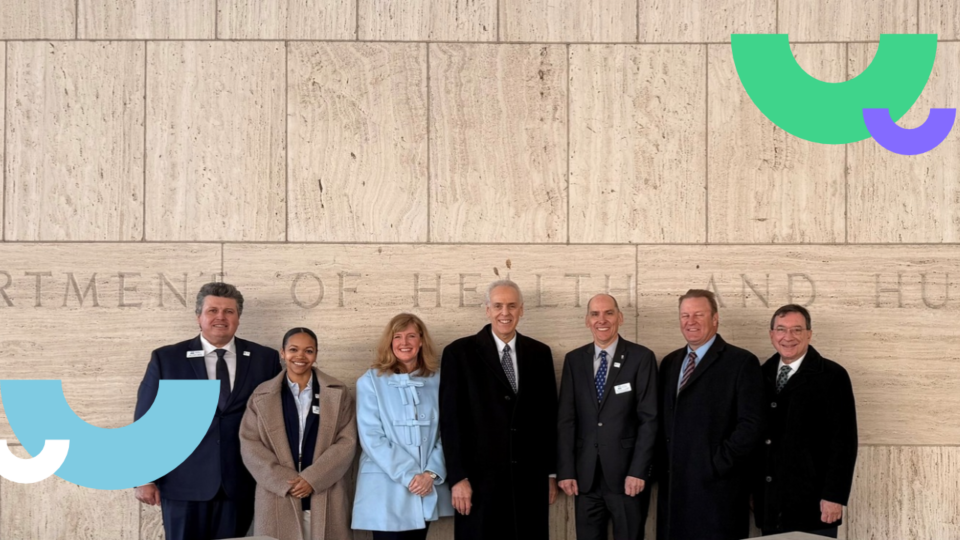
The AAO met directly with FDA leaders in July 2024 to share clinical examples of risks and patient harm associated with mail-order clear aligner treatment. The FDA expressed interest in hearing more from orthodontists who had treated patients experiencing complications after beginning treatment without an in-person examination.
In response, the AAO mobilized its members to provide clinical insight and supporting evidence. A public letter signed by 1,745 AAO members documented that the signers had encountered patients seeking care for complications resulting from prior direct-to-consumer orthodontic treatment.
An AAO delegation returned to the FDA in September 2025 to continue the discussion and hand-deliver the AAO member letter. The delegation also provided an AAO assessment of thousands of clinician reports and patient reports in the FDA’s Manufacturer and User Facility Device Experience, or MAUDE, database, along with a letter from the Academy of General Dentistry supported by nearly 200 of its members.
Then, during the AAO 2026 Professional Advocacy Conference, an AAO delegation met again with the FDA about direct-to-consumer patient health and safety concerns. FDA Chief Counsel Sean Keveney served as the keynote speaker at the AAO 2026 Professional Advocacy Conference in Washington, DC.
FDA leaders committed to further exploring and evaluating direct-to-consumer orthodontic appliances through the agency’s oversight of Class II medical devices, including clear aligners.
From Regulatory Engagement and State Laws to the ORTHO Act in U.S. Congress
The AAO has pursued these patient protections through regulatory, legislative and grassroots advocacy at both the state and federal levels. AAO advocacy and collaboration with state coalition partners have helped nine states enact bipartisan-supported requirements for an in-person examination before orthodontic treatment (Nevada, Florida, Illinois, Utah, West Virginia, Georgia, Oklahoma, Texas and South Carolina).
That progress helped lay the foundation for the AAO-backed Oversight of Responsible Teledentistry for Healthy Outcomes (ORTHO) Act (H.R. 9829), introduced in the 119th Congress in July 2026 by U.S. Congressman Brian Babin, DDS (R-Texas).
The ORTHO Act would establish baseline federal patient health and safety standards for orthodontic treatment delivered through teledentistry. Among its provisions, the legislation would generally require an in-person dental examination and in-person confirmation and review of appropriate diagnostic records, including X-rays, before orthodontic treatment begins.
The FDA’s new consumer guidance reinforces many of these same principles, particularly the benefits of an in-person examination and the importance of ongoing supervision by a licensed practitioner. Together, the FDA resources and introduction of the ORTHO Act reflect growing attention to the patient-safety safeguards the AAO has consistently advanced.
The AAO will continue working with federal agencies, Congress, state policymakers and its members to promote responsible innovation while ensuring that patient health, safety and professional accountability remain at the center of orthodontic care.
AAO Vice President of Advocacy Nathan Mick said, “There are many strategic layers behind patient advocacy success like this: regulatory engagement, federal and state legislation, coalition building, clinical evidence, and sustained grassroots outreach. None of these efforts work without AAO members who are willing to share their experiences, contact policymakers, and tirelessly show up for patients. This ongoing engagement gives our advocacy its strength and credibility and allows us to keep building momentum for meaningful patient health and safety protections.”
View the FDA’s Clear Dental Aligners consumer resource.
View the FDA’s updated Braces Have Changed: What to Know About Traditional Braces and Clear Aligner Options webpage.
Learn more about the AAO-backed ORTHO Act.
Interested in advocating for the specialty on issues like direct-to-consumer concerns, patient health and safety, and the ORTHO Act? AAO members contributing $250 or more to AAOPAC since June 1, 2026, will receive an invite to the 2027 Professional Advocacy Conference, March 8–9, where they can advocate directly for AAO policy priorities in Washington, DC.
AAOPAC is the only political action committee dedicated exclusively to representing orthodontists and their patients. Through its bipartisan approach, AAOPAC helps build relationships with congressional champions who understand the AAO’s priorities.
Help fuel continued advocacy progress by making your FY2026–27 contribution today at AAOPAC.org using the email address associated with your AAO membership. Your AAOPAC support and grassroots engagement help strengthen the AAO’s voice in Washington, D.C., and across the country.